

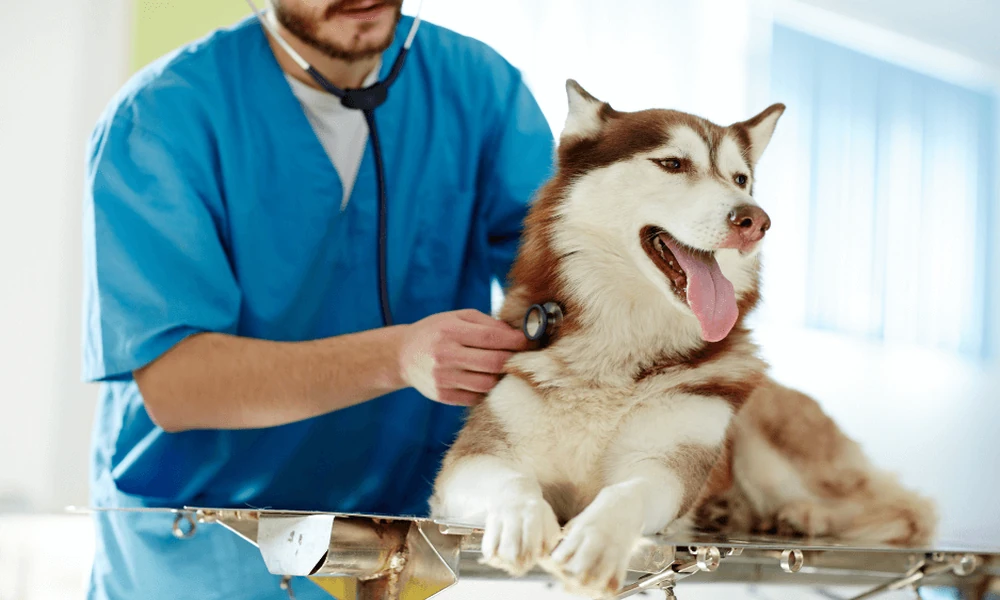
If your pet needs IV medication, you are probably already on edge. Your dog or cat may be sick, in pain, dehydrated, or staying in the hospital longer than you expected. When a technician walks in with a syringe or an IV line, your mind can go straight to one thought: what makes this safe? A Westerville veterinarian can help explain the safeguards in place and what to expect during treatment.
That concern is reasonable. IV drugs work fast, which is often exactly why they are used. They can also cause harm fast if the wrong drug, wrong dose, or wrong route is used. Veterinary teams know this, and good clinics build safety checks into the process before anything reaches your pet’s vein. The point is not perfection through luck. The point is a repeatable system that catches mistakes before they happen.
These checks usually come down to four core steps. The team confirms the right patient, the right medication, the right dose, and the right route and line setup. In a busy veterinary clinic, that structure matters because even one skipped detail can create a serious problem.
Veterinary medication safety starts with confirming the right pet
Pets cannot state their name or date of birth, and that changes how medication safety works. Before giving IV medication, veterinary staff verify the patient using the chart, cage card, treatment sheet, and hospital ID band if one is in place. They also check the pet’s species, weight, and current status. A sedated cat in recovery and a small dog in treatment may both have IV catheters, and that is exactly why visual assumptions are never enough.
This sounds simple until you picture a real hospital day. A patient is moved for x rays, another comes back from surgery, phones are ringing, and a stat case arrives at the front desk. The risk is not that the team does not care. The risk is that speed and familiarity can trick anyone into thinking they already know what is in front of them. Strong clinics treat identity checks as non negotiable because one mix up can affect everything that follows.
The FDA has published information on veterinary medication errors, including preventable mistakes tied to labeling, dosing, and administration. That is why patient verification is not treated as a formality. It is the first barrier against a dangerous error.
The medication label and order must match before IV drugs are given
The second check is making sure the drug in hand matches the doctor’s order exactly. Team members read the medication label, confirm the drug name, concentration, expiration date, and intended patient, then compare that information to the treatment order. This matters because many drug names look alike, and many injectable medications come in more than one concentration.
One common problem in any medical setting is assuming the vial is the same one used last time. If a clinic stocks two strengths of the same drug, a familiar looking bottle can lead to a doubled or halved dose if nobody stops to read it carefully. That is one reason teaching hospitals and referral centers put so much attention on medication dispensing systems. The University of Illinois Veterinary Teaching Hospital outlines how medication dispensing relies on multiple layers of review rather than memory alone.
This is one of the most important parts of IV medication safety for pets. The team is not only checking what the drug is. They are checking whether it is still appropriate now, for this pet, in this moment, with the current diagnosis and treatment plan.
Dose calculations are checked against weight, condition, and current treatment
IV drugs are often dosed by body weight, which means a few pounds can change the amount given. Before administration, the team confirms your pet’s current weight, calculates the dose, and checks whether the number makes sense for the drug and the pet’s condition. If the pet has kidney disease, liver disease, shock, severe dehydration, or is very young or very old, that can change the plan.
This is where a second set of eyes often helps. One person calculates, another verifies. That may sound cautious, but it prevents the kind of error that can happen when decimals are involved. A misplaced decimal in a tiny patient can turn a routine treatment into an emergency. In larger dogs, concentrated drugs can still be risky if they are drawn up incorrectly.
Safety checks before pet IV injections also include looking at what else the pet has already received. Pain drugs, sedatives, antibiotics, anti nausea medication, insulin, fluids, and heart medications can interact or stack effects. A dose that is safe on paper may need adjustment when the full treatment picture is reviewed.
The IV route, catheter, and line setup are checked before anything enters the vein
The last major check is the route itself. A veterinary team confirms that the medication is meant to be given intravenously and not under the skin, into the muscle, or by mouth. They inspect the IV catheter site for swelling, pain, leakage, or displacement. They also check whether the line is patent, whether it flushes properly, and whether the drug is compatible with the fluids already running.
This step protects against a problem pet owners do not always see. A catheter can look secure from the outside and still fail. If medication leaks outside the vein, some drugs can irritate tissue and cause damage. If a line is blocked or connected incorrectly, the pet may not receive the dose as intended. If a drug is pushed too fast, even the right medication can cause a bad reaction.
That is why careful veterinary IV drug administration is not just about the syringe. It is about the entire pathway from the order to the vein.
Common risks and the safety checks that reduce them
| Potential risk | What can go wrong | Safety check used by veterinary teams |
|---|---|---|
| Wrong patient | Medication given to another pet in treatment or recovery | Match chart, treatment sheet, cage card, and patient ID |
| Wrong drug or concentration | Look alike labels or multiple vial strengths cause mix ups | Read vial label fully and compare it to the medical order |
| Wrong dose | Calculation error, outdated weight, or decimal mistake | Use current weight and independent dose verification |
| Wrong route or failed catheter | Drug enters tissue instead of vein or is pushed too fast | Confirm route, inspect catheter, flush line, and monitor delivery |
What you can do when your pet is receiving IV medication
Ask what drug is being given and why. You do not need to memorize every medication. A simple question helps you understand the plan and gives staff a chance to explain the goal, expected effect, and common side effects.
Share any past drug reactions right away. If your pet has ever vomited, collapsed, broken out in hives, become agitated, or acted strangely after a medication, say so before treatment starts. Even if it happened years ago, it matters.
Confirm your pet’s current weight and health changes. If your pet has lost weight, stopped eating, developed kidney issues, or started another medication since the last visit, mention it. Small updates can change dosing decisions.
Careful systems are what make IV treatment safer
When your pet needs IV medication, you are trusting a team during a stressful moment. That trust should rest on process, not guesswork. The four checks that matter most are patient identification, medication verification, dose confirmation, and IV line and route review. Those steps are how clinics reduce risk when treatment has to move fast.
If your pet is being treated at a veterinary clinic and you want to understand the safety steps being used, ask. A good team will not be bothered by that question. They will know why you are asking, and they should be able to walk you through it clearly.