

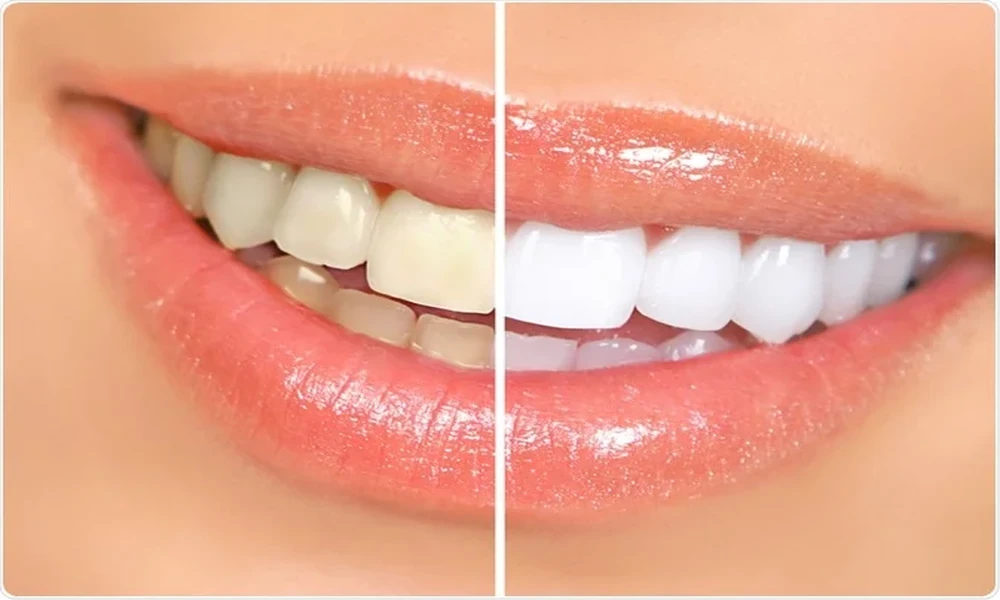
You used a whitening strip, gel, or tray because you wanted a brighter smile, and then the sting started. Cold water suddenly feels sharp. Breathing in through your mouth can set off a jolt. Even brushing may feel different. That kind of pain is hard to ignore, and it can leave you wondering whether you damaged your teeth or just need to wait it out. If the discomfort continues, consulting a Livermore cosmetic dentistry provider can help you understand what is causing the sensitivity and what to do next.
Sensitivity after whitening is common, but that does not mean it should be brushed off. Dentists look at the timing, the kind of pain, the condition of your enamel, and whether something else was already going on under the surface. How dentists evaluate sensitivity after whitening products comes down to one core goal, finding out whether the whitening caused short term irritation or exposed a problem that needs treatment.
Post whitening tooth sensitivity often has more than one cause
Whitening products work by using peroxide to break up stains. That process can also irritate the tooth for a short time, especially if the product is strong, used too often, or sits against the teeth longer than directed. In many cases, the sensitivity fades within a few days. The problem is that not every sharp twinge after whitening is just a normal reaction.
A dentist starts with the pattern. Pain in several teeth right after whitening often points to temporary nerve irritation. Pain in one tooth, pain when biting, or pain that wakes you up can suggest something else. A small cavity, a cracked tooth, gum recession, worn enamel, or an old filling with a gap may have already been there. The whitening did not create the issue, but it made it impossible to miss.
This is why tooth sensitivity after whitening should be looked at in context. If your teeth were already a little reactive to ice cream or cold air, whitening can push that mild sensitivity into something much more noticeable. The same goes for people who grind their teeth, brush too hard, or use acidic drinks often.
According to the University of Alabama at Birmingham School of Dentistry, sensitive teeth can be linked to enamel wear, gum recession, decay, cracked teeth, and other conditions, not just whitening. Their patient education page on why teeth suddenly become sensitive gives a clear overview of these triggers.
Dentists look for signs that whitening triggered pain or uncovered damage
A dental exam for sensitivity is usually straightforward. Your dentist asks when the pain started, which product you used, how often you used it, and whether the pain is constant or only happens with cold, sweets, air, or pressure. Those details matter because different causes behave differently.
If the pain began the same day you used whitening strips and shows up in multiple front teeth with cold drinks, that often fits the pattern of temporary whitening irritation. If one molar hurts when you chew, the dentist may look for a crack or a failing filling. If the roots are exposed near the gumline, that points in another direction.
The exam may include a visual check, gentle air on the teeth, percussion testing, and X rays if the symptoms do not fit a simple whitening reaction. Dentists also check the gums and look at areas where enamel has thinned. General tooth disorders can involve decay, infection, grinding damage, trauma, and gum problems, all of which are outlined by MedlinePlus in its overview of tooth disorders.
This is where a general dentist can separate normal short term sensitivity from something that needs treatment. You do not need to guess whether the pain is harmless. The pattern usually tells a lot.
At home whitening and professional whitening create different sensitivity patterns
| Whitening Method | Common Sensitivity Pattern | What a Dentist Evaluates | Typical Next Step |
|---|---|---|---|
| Over the counter strips | General cold sensitivity in several teeth, often within hours or a day | Frequency of use, fit of strips, exposed roots, enamel wear | Pause whitening, use desensitizing toothpaste, monitor for improvement |
| Whitening gels or pens | Spot sensitivity where gel contacted teeth or gums | Application method, contact time, gum irritation, uneven coverage | Stop use, protect irritated areas, rule out gum recession or decay |
| Boil and bite trays | Widespread soreness or gum burning if trays fit poorly | Tray fit, gel overflow, pressure points, existing restorations | Discontinue tray use, assess soft tissue and tooth surface changes |
| Professional in office whitening | Short term sensitivity, often stronger but brief | Baseline sensitivity, peroxide strength, response after treatment | Fluoride or desensitizing treatment, follow up if pain lasts |
The difference is not just strength. It is control. Professional whitening is done with a dentist watching your gums, enamel, and response during treatment. At home products can be safe, but people often use them longer than directed, combine products, or keep going after sensitivity starts. That is usually when a manageable issue turns into a miserable week.
Three practical steps to take when whitening sensitivity starts
Stop the whitening product for now. If your teeth are reacting, do not push through it. More applications usually mean more irritation. Give your teeth time to settle before deciding whether to try again.
Switch to a gentler routine. Use a soft toothbrush, lukewarm water, and toothpaste made for sensitive teeth. Skip very cold drinks, acidic foods, and aggressive brushing for a few days. If the pain is mild and fading, that supports the idea of temporary irritation.
Book a dental exam if the pain is strong, one sided, or lasts more than a few days. This is the step people delay because they hope it will disappear. If one tooth hurts more than the others, if chewing causes pain, or if the sensitivity keeps hanging on, a dentist should check for decay, cracks, gum recession, or a filling problem.
Prompt dental evaluation can prevent a small issue from turning into a larger one
Sensitivity that appears after whitening products can be temporary, but it can also be the first clear sign that a tooth needed attention all along. That is why dentists do not just ask what whitening brand you used. They look at the whole picture, your enamel, your gums, your bite, your fillings, and the exact pattern of pain.
You do not have to keep guessing whether the discomfort is normal. If your teeth still feel sharp, tender, or unpredictable after whitening, schedule a visit with a general dentist and get a clear answer before using another product.