

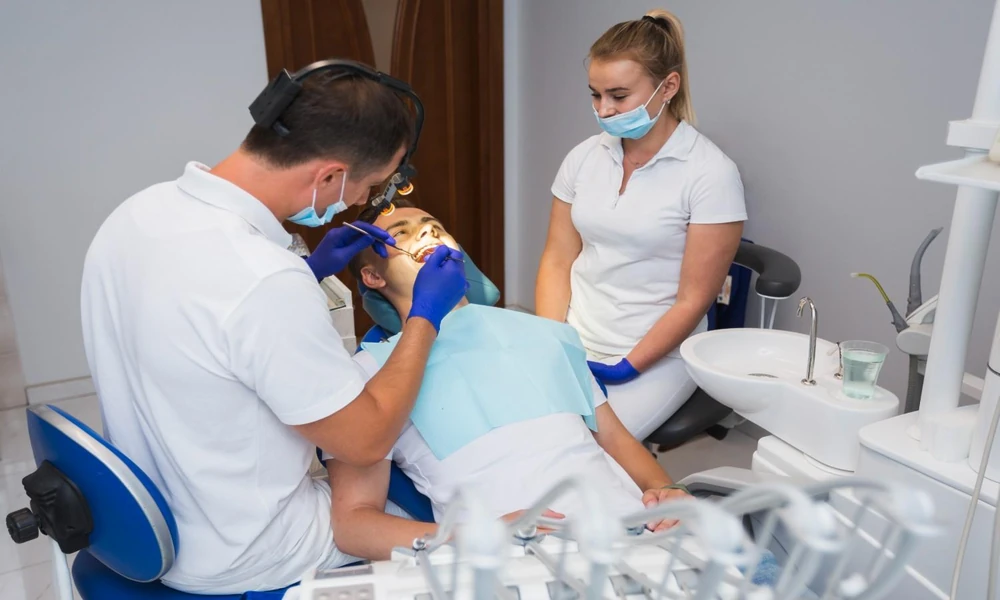
You may already know the feeling. A routine dental visit can turn into weeks of worry when your child, parent, or partner has sensory sensitivities, trouble with communication, limited mobility, or medical needs that change the whole appointment. You are not asking for anything extreme. You want a dentist in Southwest Portland, a dental office that slows down, listens, and treats your family member with respect.
That is where family dentistry can make a real difference. A family dentist often sees patients across different ages and stages of life, which helps create consistency, trust, and a care plan that fits the person instead of forcing the person to fit the appointment. For many households, special needs dental care works best when it is steady, familiar, and built around small adjustments that reduce stress before problems grow.
Family dentistry creates a more predictable experience for patients with special needs
Patients with special needs are not one group with one set of challenges. One person may have autism and struggle with bright lights, sounds, and changes in routine. Another may have Down syndrome, cerebral palsy, dementia, or a developmental disability that affects movement, speech, or daily hygiene. The National Institute of Dental and Craniofacial Research offers a helpful overview of developmental disabilities and dental care needs, and it shows why a standard one size fits all visit often falls short.
When a dental office does not adapt, small issues pile up fast. Missed cleanings become cavities. A patient who gags easily may avoid brushing. A person who cannot explain pain may show it through sleep changes, refusal to eat, or sudden agitation. Families are left trying to guess what is wrong, and dental care starts to feel like a crisis instead of prevention.
A family dentist can lower that pressure by building familiarity over time. The same office, the same faces, and a record of what helps can change the whole tone of care. Maybe the patient does better with a morning appointment, a quiet room, a short first visit, or time to touch the tools before treatment starts. These are not extras. They are often the reason care becomes possible.
Special needs oral health support depends on communication, flexibility, and trust
Good support starts before anyone sits in the chair. Families often need a practice that welcomes pre visit conversations, medication updates, behavior triggers, and details about physical support needs. If a patient uses a wheelchair, has trouble swallowing, or needs a caregiver present, the office has to plan around that. If a patient becomes overwhelmed by waiting, the schedule has to reflect that. This is the practical side of dental care for special needs patients, and it matters as much as the cleaning itself.
Trust also affects long term oral health. Many patients with disabilities have a higher risk of gum disease, tooth decay, dry mouth from medication, or injury from grinding and clenching. Daily prevention can be harder at home, especially when brushing causes distress or when dexterity is limited. The Centers for Disease Control and Prevention shares clear oral health tips for adults that families can adapt, but prevention works better when a dentist helps tailor those habits to the person.
Older adults with special needs face another layer. Memory changes, arthritis, and chronic illness can make oral care harder to manage, even for someone who handled it well for years. The National Institute on Aging explains practical ways of taking care of your teeth and mouth, which becomes especially useful when a family member starts needing more hands on support.
Family dentist care offers practical advantages over fragmented treatment
| Approach | What it Often Looks Like | Likely Result |
|---|---|---|
| Consistent family dentist care | Same office, known routines, updated history, caregiver input, shorter or staged visits when needed | Less anxiety, earlier treatment, better follow through at home |
| Fragmented or urgent only care | Different offices, rushed visits, limited background, treatment only when pain is severe | More fear, delayed care, higher risk of complex and costly problems |
| Home care without dental guidance | Families do their best with brushing and diet changes but lack tools or technique support | Some benefit, but preventable issues may still be missed |
The value of continuity is easy to miss until you have gone without it. If a patient has trouble tolerating X rays, a family dentist can document what worked last time and build from there. If certain flavors, textures, or mouth props trigger distress, those details stay in the chart and shape future visits. That saves time, but more than that, it protects dignity.
This is also where the broader strength of a family dentist shows up. A practice that treats children, adults, and seniors can watch for patterns inside the household. If a caregiver is stretched thin, if diet changes are affecting more than one family member, or if home routines need to be simplified, those conversations happen more naturally in a setting built around the whole family.
Small steps make dental visits safer and less stressful
Share the full picture before the appointment. Tell the office about diagnoses, medications, sensory triggers, mobility needs, and communication preferences. Mention what has gone badly before and what has helped. A good dental team can only prepare for what they know.
Ask for a visit plan, not just an appointment time. Many patients do better when the first visit is brief, when forms are handled early, or when there is a quiet space to settle in. If the patient needs visual supports, caregiver presence, or step by step explanations, ask for them directly.
Focus on prevention at home in realistic ways. If standard brushing is a struggle, work with the dentist on modified tools, shorter sessions, or positioning changes. Progress does not have to look perfect to be meaningful. It has to be repeatable.
Supportive family dentistry helps patients with special needs feel respected
Dental care should not feel like a battle every time. The right family dentistry approach supports patients with special needs by reducing fear, improving consistency, and giving caregivers a plan they can actually use. When a dental office respects the person in the chair and the family around them, oral health becomes more manageable and a lot less lonely.
If you are looking for care that meets your family where you are, reach out to a trusted dental office and ask how they support patients with special needs. That conversation alone can tell you a lot.