

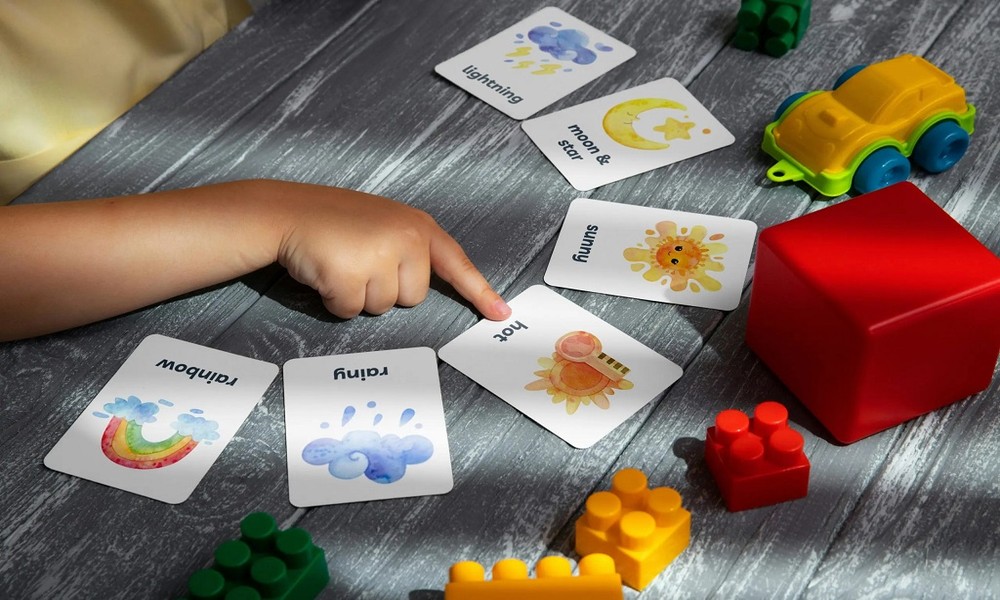
In a world full of digital distractions, educational card games offer a refreshingly simple and effective way to strengthen memory and focus. Easy to set up, highly portable, and suitable for all ages, card games transform learning into an engaging, social experience.
Whether used in classrooms, at home, or during family game nights, these games help sharpen cognitive skills while keeping players motivated and entertained.
Why Card Games Support Cognitive Development
Card games naturally challenge the brain. They require players to remember rules, track cards in play, recognize patterns, and make strategic decisions-often under time pressure. These mental demands stimulate working memory, sustained attention, and mental flexibility. Unlike passive learning activities, custom card games encourage active participation, which improves information retention and concentration over time.
For children, educational card games help build foundational skills such as short-term memory, sequencing, and impulse control. For adults and seniors, they can slow cognitive decline, enhance mental clarity, and provide valuable brain exercise in a low-stress format.
Card Games That Improve Memory
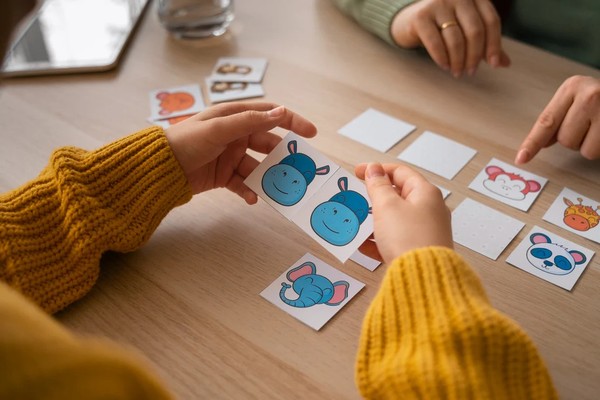
Memory-focused card games typically involve recalling card positions, matching symbols, or remembering previously revealed information. Classic matching games, often known as “memory” or “concentration” games, are among the most effective. Players flip cards face down and try to find matching pairs, strengthening visual memory and recall.
Another popular category includes sequence and pattern-based card games. These require players to remember a growing set of rules or card combinations, which enhances both short-term and long-term memory. Educational flashcard-style games that incorporate numbers, letters, or vocabulary also help reinforce academic knowledge while training recall skills.
Card Games That Enhance Focus and Attention
Focus-oriented card games emphasize sustained attention, quick decision-making, and rule-following. Many fast-paced educational card games require players to monitor the table continuously and respond accurately, which trains selective attention and reduces distractibility.
Turn-based strategy card games also improve focus by encouraging players to think ahead, anticipate opponents’ moves, and stay engaged throughout the game. Games that include penalties for mistakes or missed cues further reinforce careful observation and concentration.
Benefits for Different Age Groups
Educational card games are highly adaptable, making them suitable for a wide range of ages and learning levels. For young children, simple rules and colorful designs help maintain interest while developing basic memory and attention skills. Teens benefit from more complex games that combine strategy, logic, and multitasking.
Adults can use educational card games as a way to reduce stress while keeping their minds sharp. Memory and focus games offer seniors significant benefits by enhancing mental agility and fostering social interaction, both crucial for maintaining cognitive health.
Using Card Games in Educational Settings
Teachers and parents increasingly use educational card games as learning tools. In classrooms, they can reinforce subjects such as math, language, and critical thinking while encouraging collaboration. At home, card games offer a screen-free alternative that promotes meaningful interaction and consistent mental exercise.
To maximize benefits, it’s helpful to choose games that match the player’s skill level and gradually increase difficulty. Short, regular play sessions are more effective than occasional long ones, especially when the goal is improving focus and memory.
Conclusion
Educational card games go beyond mere entertainment, serving as effective tools for strengthening cognitive skills and development. By combining fun, challenge, and social engagement, they help improve memory, sharpen focus, and encourage lifelong learning.
Whether for children building foundational skills or adults seeking to stay mentally active, educational card games provide an enjoyable and effective path to better brain health.