

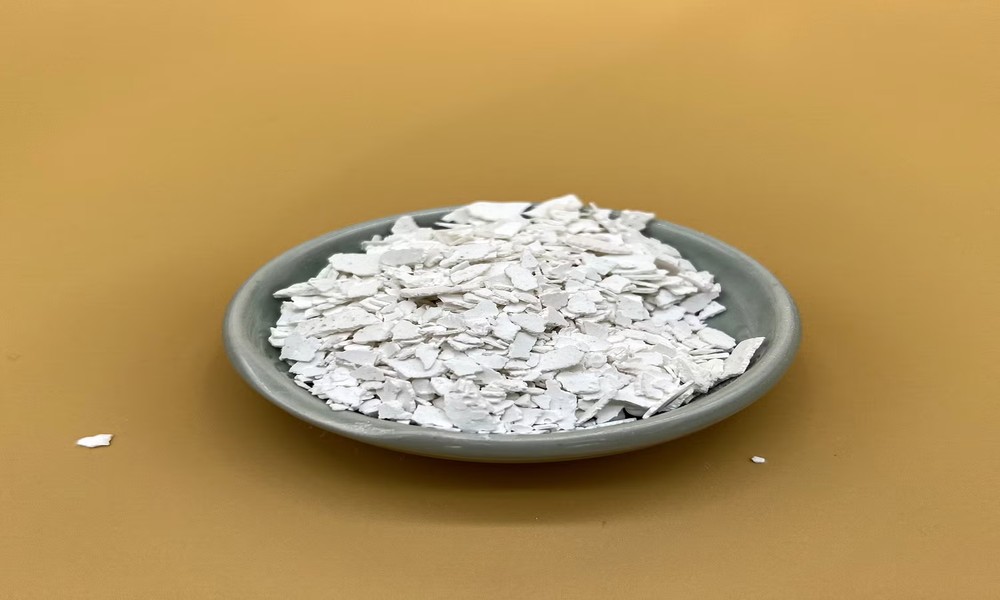
High purity calcium chloride is a versatile chemical compound with a wide array of applications across various industries. As a hygroscopic salt, it absorbs moisture from the environment, making it useful in several contexts, particularly in food manufacturing and chemical processing. Its purity level is critical, especially for food-grade applications, where safety and quality standards must be met.
High purity calcium chloride is often used in the form of calcium chloride dihydrate, which consists of two water molecules per calcium chloride unit. This hydrated form is essential for applications requiring precise moisture control and chemical properties.
Applications of high purity calcium chloride
Industrial applications
In industrial settings, high-purity calcium chloride serves multiple purposes, including:
De-icing and anti-icing: It is widely used on roads and sidewalks to prevent ice formation during winter months.
Dust control: Its hygroscopic nature helps control dust on unpaved roads and construction sites.
Chemical manufacturing: It acts as a drying agent in various chemical processes, enhancing efficiency and product quality.
Petroleum industry: High-purity calcium chloride is employed in drilling fluids to stabilize wellbore conditions.
Food-grade applications
In the food industry, the use of high-purity calcium chloride is subject to strict regulations to ensure safety and compliance. Its applications include:
Food preservation: It is used as a preservative to enhance shelf life by inhibiting microbial growth.
Firming agent: In canned vegetables and fruits, it helps maintain texture and firmness.
Additive in cheese production: It is used to improve curd formation and enhance cheese quality.
Mineral supplement: High purity calcium chloride can serve as a source of calcium in food products, contributing to nutritional value.
Quality standards and regulatory compliance
When sourcing high-purity calcium chloride, it is crucial to consider quality standards and regulatory compliance. For food-grade applications, adherence to the Food Safety and Standards Authority of India (FSSAI) guidelines is mandatory. These standards ensure that the mineral additives used in food products are safe for consumption and meet specific purity criteria.
FSSAI-approved mineral additives like high-purity calcium chloride must undergo rigorous testing to verify their safety and quality. This includes assessments of heavy metal content, microbiological purity, and overall chemical composition. Working with reputable calcium chloride dihydrate suppliers ensures compliance with these stringent regulations, reducing the risk of contamination and enhancing product safety.
Choosing reliable calcium chloride dihydrate suppliers
Selecting a reliable supplier for high-purity calcium chloride can significantly impact product quality and operational efficiency. Here are key factors to consider:
Purity levels: Ensure the supplier provides detailed specifications regarding the purity of their calcium chloride dihydrate. Look for suppliers who can demonstrate consistent quality through certifications and testing.
Regulatory compliance: Confirm that the supplier adheres to relevant regulations, such as FSSAI standards, particularly for food-grade applications. This compliance is essential for maintaining safety and quality in food manufacturing processes.
Supply chain reliability: Assess the supplier’s ability to maintain a steady supply of high purity of materials.
Customer support: Evaluate the level of technical support and service provided by the supplier. A knowledgeable supplier can assist in addressing specific application needs and offer guidance on usage.
Pricing considerations for high purity calcium chloride
Understanding the pricing dynamics of high-purity calcium chloride is vital for procurement managers and decision-makers in various industries. Factors influencing calcium chloride dihydrate price include:
Purity and quality: Higher purity levels typically command a premium price due to the rigorous testing and quality assurance processes involved.
Market demand: Fluctuations in demand across industries can impact pricing. For example, increased demand in the food sector may lead to higher prices.
Packaging and logistics: The cost of packaging and transportation can also affect overall pricing. Bulk orders may provide cost savings in shipping but require careful planning to ensure proper storage and handling.
When negotiating prices with suppliers, it is essential to consider not just the cost per unit but also the total value offered through quality assurance, reliability, and support.
Future trends in high purity calcium chloride applications
As industries evolve, the applications of high-purity calcium chloride are likely to expand. Emerging trends include:
Sustainability: The push for more sustainable practices may lead to increased use of calcium chloride in eco-friendly de-icing solutions and dust control methods that minimize environmental impact.
Food innovation: As the food industry continues to innovate, high-purity calcium chloride may find new roles in food preservation and enhancement, particularly in plant-based and alternative protein products.
Enhanced regulations: Stricter regulations on food safety and quality will likely continue to influence sourcing decisions, emphasizing the need for reliable suppliers who can provide compliant products.
In summary, high-purity calcium chloride is an essential compound with diverse applications across industries. Understanding its uses, quality standards, and supplier considerations is crucial for ensuring safety and efficiency in operations. By collaborating with reputable calcium chloride dihydrate suppliers, businesses can maintain product integrity and meet the demands of their respective markets.
By working with reliable calcium chloride dihydrate suppliers and maintaining compliance with regulatory standards, businesses can achieve consistent product quality and operational efficiency. As the demand for safe and high-quality food ingredients grows, the importance of FSSAI approved mineral additives will continue to shape sourcing decisions and industry practices.