

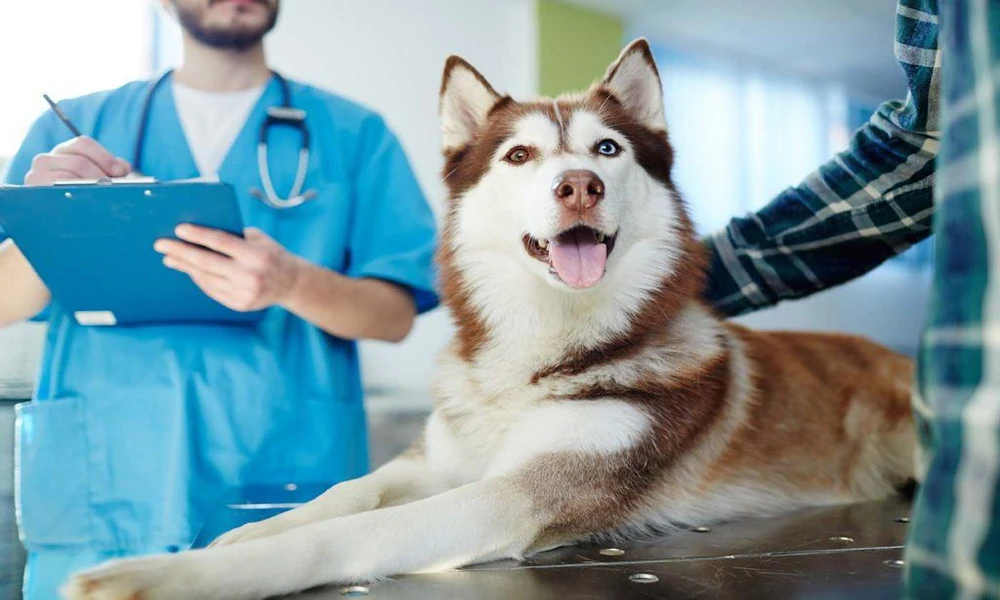
You already know something is off when your pet has heart disease. Maybe the cough comes and goes, maybe walks are shorter than they used to be, or maybe your cat hides more and seems tired in a way you cannot quite explain. That kind of uncertainty wears on you. You watch for every breath, every skipped meal, every small change, and it is hard to tell what is normal aging and what is your pet’s heart asking for help. If you are looking for cardiology for pets in Longwood, having the right guidance can make those changes easier to understand.
That is why regular visits with a Veterinary Cardiologist matter so much. Heart disease can change slowly, then all at once. A pet can seem stable at home while pressure builds in the heart or fluid starts collecting where it should not. Consistent checkups catch those shifts earlier, help your pet stay comfortable longer, and give you a clearer plan instead of asking you to guess.
Heart disease in pets changes before the symptoms look serious
Many heart conditions do not announce themselves in obvious ways at first. A dog with chronic valve disease may still greet you at the door and want dinner on time, even while the heart is working harder than it should. A cat may sleep more, breathe faster, or stop jumping to a favorite spot, and those signs are easy to miss because cats often hide illness well.
That gap between how your pet looks and what is happening inside the body is where routine monitoring helps. A veterinary cardiologist can track heart size, rhythm, blood pressure, and signs of fluid buildup before a crisis sends you to the emergency hospital. In dogs with valve disease, progression can be gradual, which makes follow up care even more useful. This overview of chronic degenerative valve disease in dogs explains how the condition can advance over time.
When those appointments are delayed, small changes can turn into expensive and frightening ones. A medication dose that once worked may no longer be enough. A pet that needed imaging six months ago may now have fluid in the lungs. Owners often blame themselves after the fact, even though the truth is simpler. Heart disease is not static, and it needs watching.
Regular cardiac monitoring protects comfort, time, and decision making
Regular cardiac checkups for pets are not only about adding time. They are also about protecting the quality of that time. A monitored pet is more likely to get treatment adjusted before severe coughing, collapse, labored breathing, or appetite loss take over daily life.
The emotional side of this matters. When you do not know whether your pet is stable, every symptom feels loaded. Is that extra nap harmless, or a warning sign? Is the faster breathing after play expected, or the start of heart failure? Scheduled follow up gives you a baseline. It tells you what your pet’s normal looks like right now, not what it looked like a year ago.
There is a money side too. Emergency care for heart failure, oxygen support, and urgent imaging can cost far more than planned visits. Routine exams do not erase the cost of a chronic condition, but they often reduce the chance of sudden, high stress decisions made in the middle of the night.
Age also adds another layer. Older pets often have more than one issue at the same time, and those conditions can affect the heart or the medications used to manage it. The AVMA offers helpful guidance on care for senior pets, which is especially relevant when a heart condition is part of the picture.
Heart disease checkups often uncover related risks
A follow up visit is not just a repeat of the last one. It is a chance to catch connected problems that can make heart disease harder to manage. Parasites are one example. In dogs, prevention matters because heartworm disease can damage the heart and lungs and complicate existing cardiac issues. The AVMA’s heartworm client brochure gives a clear reminder of why prevention stays part of the plan.
These visits also help your care team judge how well your pet is tolerating treatment. Some pets need bloodwork to monitor kidney values after starting medication. Others need repeat chest X rays or an echocardiogram because the physical exam alone cannot answer the whole question. That is the value of pet heart disease follow up care. It replaces guesswork with current information.
Routine monitoring and emergency only care lead to very different outcomes
| Approach | What it usually looks like | Likely result |
|---|---|---|
| Scheduled cardiology checkups | Regular exams, imaging as advised, medication reviews, breathing and symptom tracking at home | Earlier changes in treatment, better symptom control, fewer surprises |
| Care only when symptoms worsen | Long gaps between visits, no updated heart measurements, treatment changes made late | Higher risk of crisis visits, more distress for the pet, harder choices under pressure |
| Home observation without specialist input | Watching appetite, cough, and energy but no formal monitoring of heart function | Some changes noticed, many internal changes missed until disease is advanced |
Small actions now make heart care more manageable
Track breathing and behavior at home. Count your pet’s resting breaths when asleep, note coughing, appetite, stamina, and any fainting or weakness. Patterns matter more than single moments. Bring that record to each appointment.
Keep follow up visits on a set schedule. Do not wait for obvious decline. Ask your veterinary cardiologist how often your pet should be rechecked based on diagnosis, age, and current medication. The right schedule for a stable pet may be very different from the right schedule for one with recent changes.
Ask what would trigger a same day call. You need a clear list. Labored breathing, a swollen belly, collapse, marked fatigue, sudden coughing, or a refusal to eat can all matter. Knowing the red flags ahead of time lowers panic and speeds up care.
Consistent heart care gives your pet the best chance at steady days
Living with a pet who has heart disease means carrying a low level of worry almost all the time. Regular checkups do not remove that love driven fear, but they do turn it into a plan. They help catch trouble early, adjust treatment sooner, and give your pet more comfortable days that still feel like their own.
If your pet has a heart condition or you have started noticing subtle changes, schedule an evaluation with a Veterinary Cardiologist. Early monitoring is often the difference between reacting to a crisis and staying ahead of one.