

Choosing a plastics partner on price alone is risky. A low quote can hide inconsistent quality, poor material control or limited production capacity that only becomes visible when products fail or orders are late. Evaluating a plastic manufacturer singapore properly means looking at how they manage quality, what processes they offer and how well they understand your product, before any large order is placed.
Experience and Track Record
A manufacturer’s history tells you a lot about their reliability. Long-established companies have usually refined their processes, built supplier relationships and handled a wide range of customer requirements. Ask how long they have been operating, which industries they serve and whether they can share examples of similar projects. References from existing customers are especially useful, particularly from businesses with products similar to yours.
Manufacturing Processes Available
Different products need different processes. A manufacturer offering several gives you more flexibility. Common capabilities include:
- Extrusion blow moulding for bottles and containers
- Injection moulding for caps, closures and components
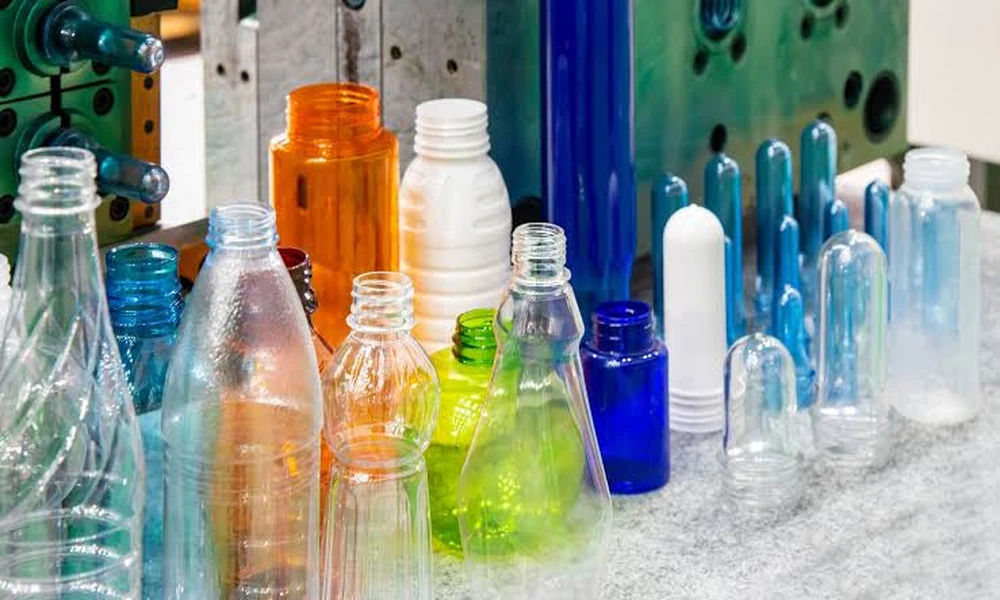
- Injection stretch blow moulding for clear PET bottles
- In-house mould design and fabrication
- Decoration such as printing, hot stamping and labelling
Quality Management Systems
Certified quality management systems such as ISO 9001 show that a manufacturer follows documented procedures for production, inspection and continual improvement. Certification is not a guarantee of perfect quality, but it indicates a structured approach. Ask how the manufacturer applies its system in practice, including how often products are inspected and how non-conforming products are handled.
Material Control
Quality starts with raw materials. Ask where resins come from, whether they are food-grade or suitable for your industry, and how batches are tracked. Consistent materials produce consistent products. For regulated products such as food, healthcare items or supplements, the manufacturer should be able to provide relevant documentation on materials and confirm suitability for the intended use.
Inspection and Testing
Good manufacturers check products throughout production, not only at the end. Typical checks include dimensions, weight, wall thickness, appearance, neck finish and closure fit. Some products need leak or drop testing, and products holding chemicals may need compatibility checks over several weeks. Ask what equipment is used, how samples are selected and what records are kept. A visit to the factory, where possible, shows how these checks work in practice.
Production Capacity and Lead Times
A manufacturer must be able to meet your volumes reliably. Ask any plastic manufacturer singapore about capacity, typical lead times and how they handle peak demand or urgent orders. Local manufacturers in Singapore often provide shorter lead times and simpler logistics than overseas suppliers, which helps businesses that hold limited stock or launch products frequently.
Customisation and Design Support
Manufacturers with in-house design and mould-making capability can help turn an idea into a practical product. They can advise on wall thickness, shape, neck finish and material choice to balance appearance, performance and cost. Ask whether they provide drawings, prototypes and samples, and how many revisions are included before production begins. Early design input often saves more money than negotiating a lower unit price.
Safety and Workplace Standards
Workplace safety reflects how well a factory is managed. In Singapore, bizSAFE certification shows that a company has implemented risk management and workplace safety and health practices. A well-run, safe factory is more likely to have disciplined production and fewer disruptions.
Communication and Service
Clear communication prevents misunderstandings about specifications, quantities and timelines. Assess how quickly the manufacturer responds to enquiries, how clearly quotes are presented and whether a dedicated contact will manage your account. Good service is especially valuable when problems arise, since quick, transparent responses limit the impact on your business.
Questions to Ask Before Committing
Before placing a significant order, it helps to ask the same questions of every manufacturer:
- What certifications and quality checks do you have in place?
- Which processes and materials can you offer for my product?
- What are your minimum order quantities and lead times?
- Can you provide samples and documentation for testing?
Understanding Your Own Requirements
Evaluation works best when you know exactly what you need. Before approaching manufacturers, write down the product, the material you expect to use, the volumes, the closures and decoration, and any regulatory requirements. Note which features are essential and which are nice to have. A clear brief lets manufacturers quote on the same basis, which makes comparisons fair and reveals quickly which ones understand your product.
Signs of a Strong Manufacturing Partner
Beyond certificates and equipment, some qualities show up in how a manufacturer works with you:
- They ask detailed questions about your product before quoting
- They suggest practical changes that reduce cost or risk
- They are open about limitations and realistic about timelines
- They keep records and share them without being chased
Making a Confident Choice
Compare manufacturers on experience, processes, quality systems, material control, capacity and service, not only on price. Request samples, test them with your actual product and, if possible, visit the factory. A long-established plastic packaging manufacturer in Singapore with certified systems and in-house capabilities can be a reliable partner as your product range grows.