

During summers in Phoenix, people experience long days of triple-digit heat and dry air that drains moisture from whatever it touches. This kind of environment allows many species of pests, including ants, to thrive. Desert ants have survived harsh seasons for thousands of years. The hottest months trigger changes in how they move, feed, and search for shelter. These changes explain why ants often appear in kitchens, bathrooms, and yards when temperatures peak. Knowledge of what ants do during the summer is essential for effective ant control in Phoenix. Homeowners will be able to take steps to protect their homes from invasions.
Ants Change Their Daily Schedule Because of the Heat
Ants travel throughout the day during mild seasons. But summer heat forces a new routine. Many species avoid mid-day sun and switch to early morning, dusk, or night activity. Hot pavement can damage an ant’s body within minutes. To avoid this risk, workers rush food trips during cooler hours.
Ants Move Their Nests Deeper Underground
Soil temperature is important to ant survival. Surface soil heats fast and holds little moisture during summer. Ant colonies move deeper underground, where conditions stay more stable. Queens and brood remain protected several feet below ground.
Some species expand tunnels near irrigation lines, shaded foundations, or areas under concrete slabs. These spots retain moisture longer than open soil. As nests change, ants may emerge closer to homes, patios, or walkways.
Ants Prioritize Water
Food is important for ants, but water drives most ant movement during Phoenix summers. Dry air pulls moisture from ant bodies, so workers search continuously for reliable water sources. Ants may target sinks, showers, and laundry rooms first. They can also be drawn to irrigation overspray, leaky valves, and shaded garden beds.
Ants Change Their Diet with the Season
During cooler months, ants live off of protein from insects. But summer increases their need for sugars and liquids. Ants usually target sweet residue, spilled drinks, fruit, and syrup during the summer.
In addition, ants are drawn to honeydew from aphids and scale insects outdoors. These pests thrive on stressed plants during extreme heat. Ants protect them in exchange for sugary waste. This relationship boosts ant populations near trees, shrubs, and garden beds close to homes.
Ants Expand Their Colonies Faster
Warm temperatures speed up ant development. Some species produce new queens during the summer, which leads to budding. Budding occurs when a queen leaves with workers to form a nearby nest. This growth pattern explains why infestations spread across yards or buildings within weeks.
Ants Get Relief from Indoor Shelter
Homes provide cooler air, steady moisture, and reliable food access to ants. During heat waves, ants explore wall voids, plumbing chases, and crawl spaces. Air-conditioned spaces offer relief from extreme outdoor conditions.
Ants enter through tiny gaps around doors, windows, utility lines, and foundation cracks. They explore along baseboards and counters in search of water and food. They are usually active in kitchens and bathrooms, though they may also invade bedrooms and living areas.
Ants Can Become Aggressive Due to Heat Stress
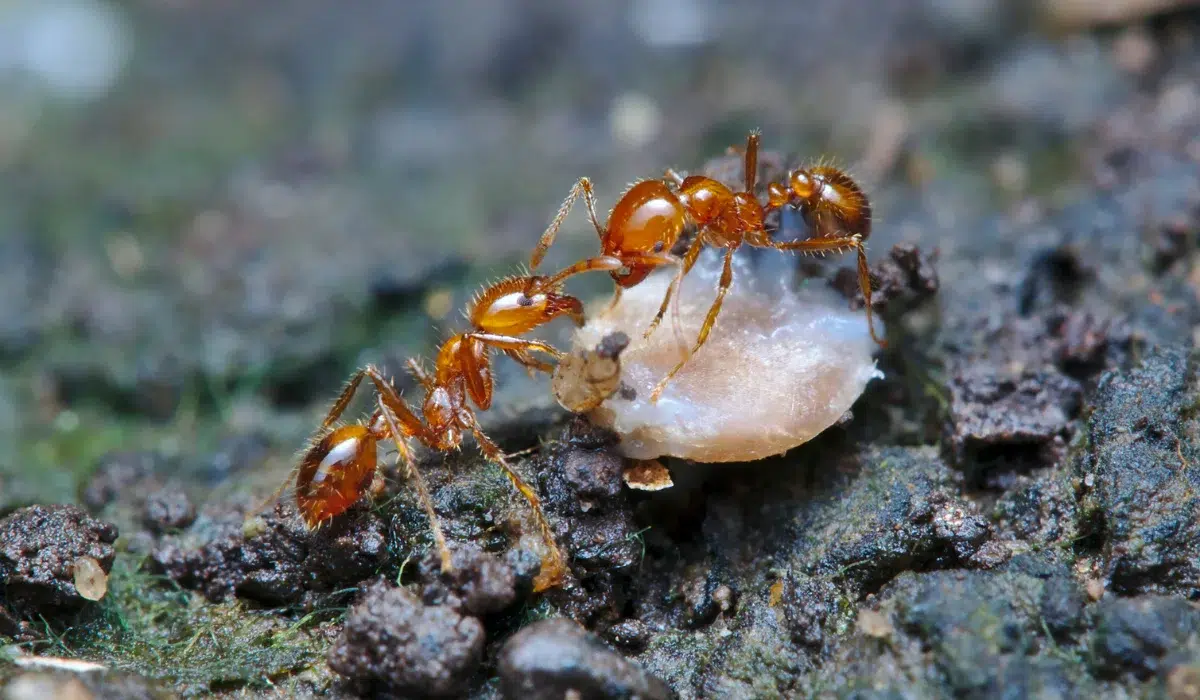
Some ants show more defensive behavior during summer. Fire ants react quickly when nests are disturbed by irrigation or foot traffic. Dry conditions push colonies closer together, which raises competition. This stress can lead to faster trail formation and stronger defense of food and water sources.
Homeowners in Phoenix must know how ants respond to extreme heat to understand their persistence. Summer does not slow them down. Rather, it reshapes their habits. Ants can end up inside human spaces due to changes in nesting depth, diet, and shelter choices. This awareness allows homeowners to watch vulnerable areas during peak heat. They should pay attention to water sources, shaded entry points, and irrigated zones throughout the hottest months in Phoenix.