

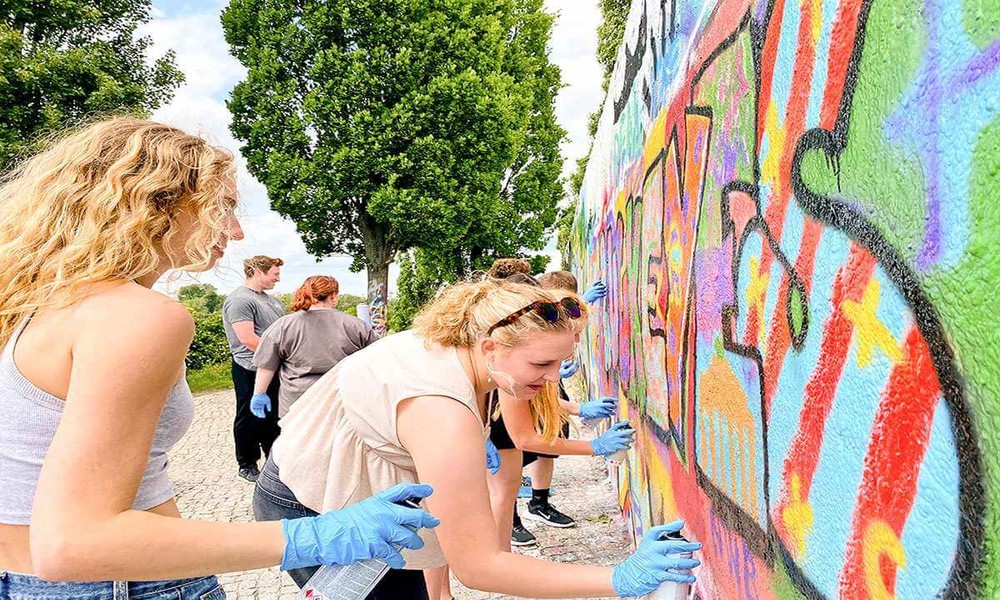
I was thinking about this the other day: who can actually join a graffiti workshop? I used to imagine it was only for talented artists or rebellious teenagers with spray cans. But organized workshops changed that idea completely.
People from everywhere join, kids, students, office teams, and even those who swear they cannot draw. And maybe that is the beauty of it. Graffiti workshops are not about perfection; they are simply about trying something creative.
How Graffiti Workshops Became Popular
When people talk about graffiti workshops Benelux, one name that appears quite often is Graffitifun. The company has been organizing creative workshops across the Netherlands and Belgium for years, starting in Amsterdam and gradually expanding to different cities. Their goal seems pretty simple – make graffiti accessible for everyone.
What I noticed while reading about their sessions is that the workshops are designed for beginners. You do not need previous experience. Participants arrive, get a short introduction, and then slowly step into the creative process.
A graffiti workshop includes these elements:
- A short explanation about graffiti culture and techniques
- Learning how to control a spray can properly
- Practicing simple shapes, outlines, and colour effects
- Designing your own graffiti name or symbol
- Painting on a personal panel or joining a group mural
The atmosphere is usually relaxed. People experiment, laugh when the paint drips unexpectedly, and gradually become more confident with the spray can.
Age and Skill Level: Do They Matter?
One of the biggest questions people ask is about age. Surprisingly, graffiti workshops often welcome participants starting from around six years old. Younger children sometimes begin with sketching exercises before using spray paint, but they can still take part in the creative process.
Schools sometimes organize graffiti sessions as part of art or cultural programs. Instead of a typical classroom activity, students get to step outside and paint on large panels. That shift alone makes the experience feel exciting. Adults join too, of course. Especially companies looking for creative team-building activities.
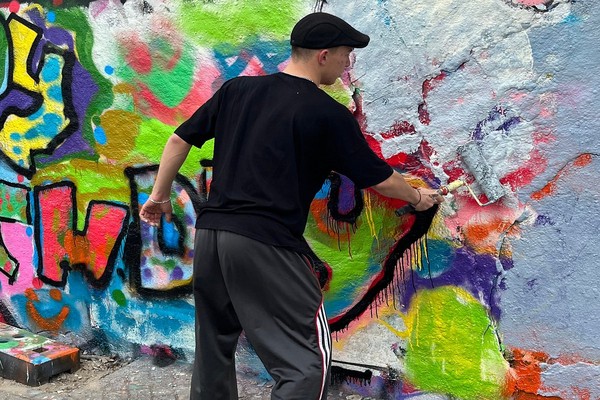
Common participant groups include:
- School classes and youth groups
- Corporate teams and colleagues
- Families celebrating birthdays or events
- Friends simply looking for a creative activity
The mix of ages and personalities often makes the workshops feel lively and unpredictable.
Location Matters Too
Another thing I noticed is that certain cities have become popular for these activities. For instance, graffiti workshops Utrecht attract many groups because the city offers suitable creative spaces and large surfaces for murals.
Workshops in these areas sometimes include small graffiti walks where participants can observe existing artworks on nearby walls. Seeing real street art up close can be surprisingly inspiring before starting your own piece.
What Happens During the Workshop?
Graffiti workshops usually follow a simple, guided structure so participants feel comfortable. Sessions often begin with a short introduction, followed by sketching ideas, practicing spray control, and creating personal tags or artworks. Groups may also collaborate on a mural. All materials are provided. In the end, participants admire the finished wall, imperfect perhaps, but authentic and proudly created together.