

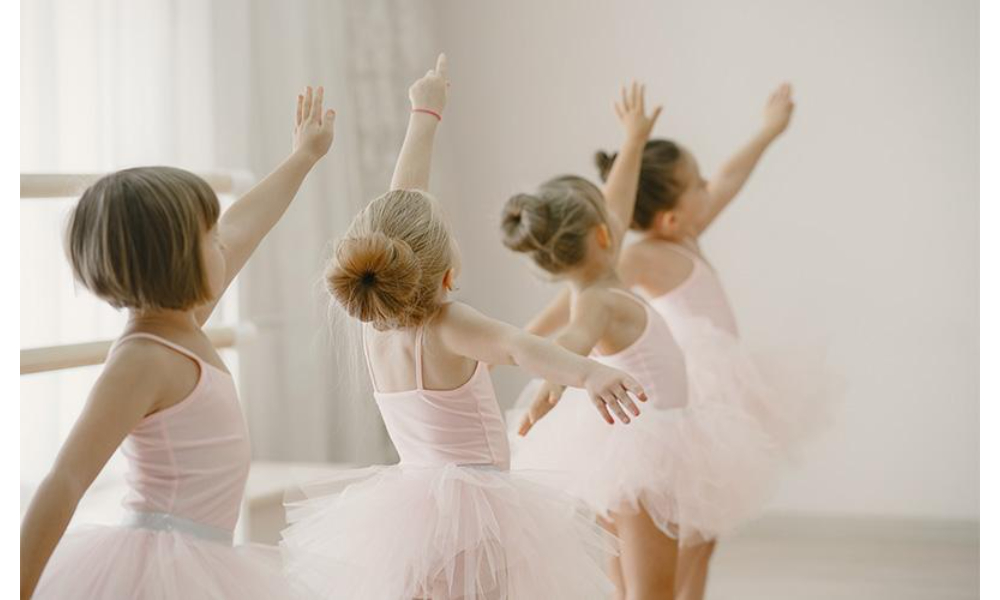
Ballet might not have balls or scoreboards, but it still teaches kids to aim high and move with purpose. While sports often reward the fastest or strongest, ballet encourages grace, awareness, and consistency. From the very first plié, children learn to listen closely, move with intention, and show up even when it’s tough.
Grace Under Pressure: Ballet’s Quiet Power
When kids step into the world of ballet, they aren’t just learning how to point their toes or pull off a perfect pirouette. They’re learning something less obvious but just as vital: discipline in stillness, strength in silence, and storytelling without words.
For families exploring ballet classes for kids, the focus often begins with technique, posture, and poise. Yet, what keeps young dancers coming back isn’t just the challenge of mastering a plié. It’s the way ballet builds self-awareness from the inside out.
Unlike fast-paced sports that focus on speed, points, and performance under the spotlight, ballet takes a subtler approach. It teaches children to slow down, breathe, and channel emotions through movement.
Quiet Steps, Loud Lessons
Team sports can come with whistles, shouts, and a lot of moving pieces. Ballet classes, on the other hand, offer structure in a quiet, focused setting. Every class is a routine—a series of warm-ups, sequences, and cool-downs. The teacher doesn’t need to bark orders; the music sets the tone.
Ballet schools in Singapore, like AQ Dance, often highlight the importance of internal motivation. Children don’t just compete against others. They work with themselves. It’s not about beating the other kid to the ball. It’s about refining a movement they’ve practised for weeks.
This teaches patience. While a goal in a football match gets an instant cheer, nailing an arabesque takes quiet persistence and a whole lot of core control.
Express Yourself Without Saying a Word
One of ballet’s strongest suits is how it turns physical exercise into a form of expression. Dancers learn to convey feelings without uttering a single word. This kind of emotional awareness isn’t always front and centre in team sports, where the focus leans towards tactics and winning.
In ballet kids classes, children explore mood, rhythm, and intent through every pose. A jump isn’t just a jump. It’s an interpretation of joy, surprise, or suspense. This gives them an emotional outlet that improves not only their performance but also their overall confidence in everyday life.
Singapore ballet academy programmes often incorporate music appreciation, storytelling, and even basic stage presence, all wrapped into the curriculum. Kids aren’t just sweating it out; they’re crafting something that feels bigger than themselves.
Individual Effort, Collective Experience
Ballet isn’t as solitary as it may seem. While solo performances exist, the majority of training is done in groups. But unlike team sports, where coordination means passing the ball or running formations, ballet requires spatial awareness on a different level.
Children must know where their limbs are, how close they are to others, and how their movements affect the entire group picture. This teaches consideration and awareness, often in a more subtle way than in sports.
Ballet classes for kids often feature group rehearsals that demand synchronicity without verbal cues. That silent teamwork builds strong observational skills. Kids learn to lead and follow without dominating the space or shouting over the crowd.
Discipline That Lasts Beyond the Studio
Ballet doesn’t offer medals or match-day adrenaline. What it offers instead is something that sticks around longer: lifelong discipline.
From tying their own ballet shoes to adjusting to repetitive training routines, kids develop habits that help with schoolwork, time management, and focus. These habits don’t form overnight, but the structured nature of ballet makes them almost second nature over time.
For parents browsing ballet schools in Singapore, many discover that this sense of self-discipline becomes evident early on. Children become more mindful, more self-correcting, and more comfortable with routine. It doesn’t feel forced—it becomes part of who they are.
When to Start? The Earlier, The Better
Introducing children to ballet at a young age means giving them the gift of body awareness and inner calm. The movements may look gentle, but they demand coordination and control.
Ballet kids’ classes often cater to various age groups, with exercises tailored to meet developmental stages. These aren’t just warm-ups in disguise. They’re careful constructions meant to help kids understand their bodies without pressure.
And unlike some sports that have competitive structures built in from day one, ballet allows room for kids to develop at their own pace. That’s especially helpful for those who may not thrive in high-stakes environments but still want to grow through movement.
A Different Kind of Confidence
Sports often build outward confidence: team spirit, loud cheers, and bold moves. Ballet builds the inward kind. The kind that teaches kids to walk taller, sit straighter, and breathe deeper when they’re nervous.
By training their bodies and minds to work in harmony, ballet creates a strong foundation that benefits children in school, friendships, and other extracurriculars. It may not always get the loudest applause, but it leaves a lasting impression.
Contact AQ Dance to enrol your child in ballet classes that focus on grace, discipline, and creative expression – all in a setting that supports steady and confident growth.